
Things to Do in Ayutthaya in March
March weather, activities, events & insider tips
Shoulder Season · Good Value
March Weather in Ayutthaya
Long-run averages for March
95°F (35°C)
High Temp
77°F (25°C)
Low Temp
1.8 inches (46 mm)
Rainfall
67%
Humidity
4
Rainy Days
11
Sunny-Day UV
⚠ Very high UV on sunny days: use sunscreen and seek shade at midday
Making the most of March in Ayutthaya? Browse tours and activities in Ayutthaya on GetYourGuide.
Is March Right for You?
Weigh the advantages and considerations before booking
Advantages
- + March hits Ayutthaya before the furnace does. April and May get punishingly hot. But March still gives you mornings and evenings where the air is warm, not oppressive. You can explore the ruins in relative comfort. The afternoon brings furnace-like intensity. Plan accordingly.
- + The landscape hasn't turned to straw yet. March is likely your last month to see parks and temple grounds holding onto green. The dry season browns everything by April. Then the ancient red brick stands out starkly against pale earth. Catch it while you can.
- + Crowds stay manageable for a place this significant. You miss the January-February holiday crush. Thai school holidays haven't started. You can have Wat Mahathat or Wat Chaiwatthanaram to yourself for ten solid minutes. That's unheard of in high season. Worth it.
- + The river is your climate control. A late-afternoon boat tour on the Chao Phraya brings natural breeze you won't find on land. The ruins stay static and sun-baked. The splash of water and chug of the long-tail engine create a moving, cooler sanctuary. Essential.
Considerations
- − Afternoons are merciless. From 11 AM to 4 PM, the sun feels like physical weight. The average high of 95°F (35°C) isn't just a number. It's why locals schedule everything before 10 AM or after 4 PM. Planning around this heat is non-negotiable. No exceptions.
- − Rain stays light but theatrical. Total rainfall is low. You get occasional tropical downpours, usually one dramatic 30-minute blast in late afternoon. Caught on a bicycle between temples without cover? You'll get soaked. It's warm rain. Paths turn to slick mud. Be ready.
- − Dry-season haze softens the views. By late March, thin, persistent haze settles over river plains. Brilliant blue skies turn muted. Photographers seeking crisp, postcard-perfect shots of the chedi skyline find the light flat and dusty. Adjust expectations. Shoot at golden hour.
Settled on March? Compare hotel prices in Ayutthaya for your dates on Trip.com.
Best Activities in March
Top things to do during your visit
Ayutthaya in March exists in a quiet, anticipatory space. The tropical heat has fully returned, with the mercury often reaching ninety-five degrees in the afternoon. But the heavy, drenching rains of the coming monsoon remain a month away. The air holds a dry, palpable warmth that radiates from the brick ruins, and the Chao Phraya River flows a muted brown, its surface glinting under a near-perpetual sun. Compared to the deluges of September or the cooler mornings of December, March offers long, clear days that are good for ambitious exploration, though they demand a strategic pace. Locals move with a measured slowness during the peak afternoon hours, seeking the deep shade of verandas and the relief of iced drinks, a rhythm visitors would do well to adopt. The historical park, a UNESCO-listed sprawl of temple remnants and headless Buddha statues, takes on a particular character this month. You will see the low, angled light of late afternoon casting long, dramatic shadows across the laterite foundations, and hear the constant, dry chirping of cicadas from the tamarind trees that grow between the ruins. It is a time for covering ground, for visiting multiple temple complexes in a single outing before the wet season makes such circuits less predictable.
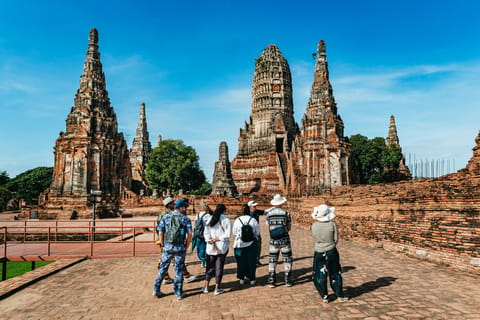
From Bangkok: Ayutthaya Temples Guided Tour with Lunch
culturalThis guided tour collects visitors from Bangkok for a complete introduction to the ancient Siamese capital's spiritual heart. You will walk across sun-baked courtyards to see the well-known Buddha head entwined in the roots of a bodhi tree at Wat Mahathat, and climb the laterite steps of Wat Chaiwatthanaram to survey the river that once brought Persian and Portuguese merchants to its gates. An included lunch provides a taste of central Thai staples, a necessary respite in the midday heat.
It efficiently unlocks the narrative of the fallen kingdom through its most photographed and significant ruins, with context provided by a knowledgeable guide.
Insider tip: Bring a wide-brimmed hat and a handheld fan, as the tour involves considerable walking with limited shade between structures.
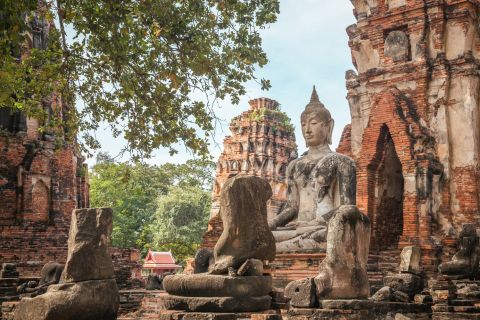
From Bangkok: Ayutthaya & Ayothaya Floating Market Day Trip
day_tripThis excursion pairs the stone solemnity of Ayutthaya's temples with the lively commerce of the Ayothaya Floating Market, a constructed but busy venue on the city's outskirts. After viewing the majestic, seated Buddha of Wat Yai Chai Mongkon, you will hear the putter of long-tail boats and the calls of vendors selling grilled river prawns and mango sticky rice from their wooden stalls along the canals. The shift from ancient silence to modern, fragrant hustle defines the day.
It contrasts the historic weight of the ruins with the lasting, water-based culture of central Thailand.
Insider tip: Try the coconut ice cream served in a young coconut shell at the market. It is a local specialty that well counters the day's warmth.

Private Tour to Railway Market, Floating Market And Ayutthaya
private_tourThis private tour condenses three well-known central Thai experiences into one long, custom-paced day: the thrilling spectacle of the Maeklong Railway Market, the floating markets of Damnoen Saduak, and the historic grandeur of Ayutthaya. You will feel the rush of air as a train parts a canopy of awnings and produce stalls, smell the diesel and ripe fruit, then later glide past wooden boats laden with tropical flowers before concluding among the silent, imposing *prang* towers of the old city.
The sheer variety of landscapes and sensations, from chaotic market to tranquil canal to impressive ruin, all with the flexibility of a private vehicle.
Insider tip: Request your guide to adjust the order of visits. Starting with Ayutthaya in the relative cool of the morning, before the markets peak, can make for a more comfortable itinerary.
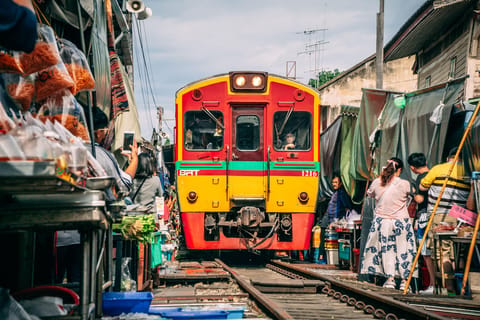
Bangkok: Ayutthaya, Railway & Floating Markets Full-Day Tour
day_tripDesigned for those with limited time, this full-day circuit from Bangkok delivers the essential highlights of the region: the narrow-alley drama of the Maeklong Railway Market, the colorful canal life of a traditional floating market, and a curated selection of Ayutthaya's most accessible ruins. You will hear the sizzle of pork satay on market grills, see the shimmer of silk scarves on boat rails, and touch the weathered stone of a crumbling *chedi* all before sunset.
Its proven, efficient formula for experiencing the classic postcard images of central Thailand in a single, easy journey.
Insider tip: Wear shoes you can easily remove, as you will need to take them off to enter the temple compounds in Ayutthaya.

Private Tour to Ayutthaya, World Heritage Site with Boat Tour
cruiseA private tour focused exclusively on Ayutthaya, this experience elevates exploration by including a boat trip along the Chao Phraya and Pa Sak rivers that encircle the island city. You will see the fortress walls of Wat Phutthaisawan from the water, feel the cool river breeze against your skin, and disembark to find the serene, monastic atmosphere of Wat Phanan Choeng with its giant, gilded Buddha image. This perspective reveals why Ayutthaya was called the "Venice of the East" by early European visitors.
The privileged, multifaceted view of the historical park, combining intimate land exploration with the essential aquatic context.
Insider tip: Ask your guide to point out the Portuguese and Japanese settlements marked by ruins along the riverbanks, remnants of the city's international past.

Thailand's Tour: Kanchanaburi, River Kwai, Markets, Lopburi, Ayutthaya - 3 Days
guided_experienceThis three-day guided experience is an immersive look into the history and landscapes west and north of Bangkok, with Ayutthaya as its crowning centerpiece. The journey includes the somber museums and bridge of the River Kwai in Kanchanaburi, the crumbling Khmer-style towers of Lopburi, and the monkey-inhabited ruins there, before a dedicated exploration of Ayutthaya. You will sleep in local hotels, taste regional dishes like *boat noodles*, and have time to absorb the details most day-trippers miss.
The profound understanding it fosters, connecting the dots between Khmer influence, wartime history, and Siamese royal power across multiple UNESCO sites.
Insider tip: Pack a light sweater. While days are hot, air-conditioned coaches and some evening venues can feel quite cool by contrast.
Where to Stay in Ayutthaya in March
Hand-picked hotels across price tiers for March travellers.
Packing Checklist
Bookmark this page — your progress is saved between visits
Need the full list with shopping links?
Climate-specific gear, brand recommendations, and what to leave at home.
View Ayutthaya Packing List →Essential Tips
Insider knowledge and common pitfalls to avoid
Insider Knowledge
The best 'air conditioning' in Ayutthaya isn't in your hotel. It's in the National Art Museum on U-Thong Road. When the afternoon heat peaks, duck in here for an hour. It's blissfully cool, filled with restored Buddha heads and artifacts, and you'll likely have it to yourself.
Locals don't do 'lunch' in the traditional sense during the hottest part of the day. They grab a quick bite from a market stall and retreat. Follow suit: have a big breakfast, a light snack at noon, and plan your proper, sit-down meal for the cooler evening.
Skip the elephant camp rides. The ethical concerns aside, in March heat, the animals are often visibly distressed. A more authentic and kind experience is to observe the few remaining working elephants from a distance as their mahouts bathe them in the river in the early morning.
For a memorable sunset, head to the riverside terraces near Wat Chaiwatthanaram *after* the official park closes. You can't enter the temple. But you can sit on the public steps outside the walls and watch the light turn the prangs to silhouettes against the orange sky, with the sound of the river in the background.
Avoid These Mistakes
Trying to see too many temples in one afternoon. You'll get heatstroke. Pick two, max, for a post-4 PM visit, and take a tuk-tuk or songthaew between them. Pace yourself.
Underestimating hydration. It's not just about drinking water; you're losing electrolytes fast. Grab a bottle of local electrolyte drink (like Royal-D) from a 7-Eleven to mix in.
Wearing dark-colored clothing. It absorbs the heat. Stick to whites, khakis, and light pastels. You'll see all the seasoned travelers and guides in light-colored linen for a reason. Dress smart.
Short on time? See day trips around Ayutthaya on GetYourGuide.
Ready to plan your trip to Ayutthaya?
Now that you've got the research covered, here's where to go next.
Explore More Activities in Ayutthaya
Didn't see anything interesting yet?
Browse Viator's full catalog of tours, day trips, food experiences, and private guides in Ayutthaya.
See All Ayutthaya Tours on Viator