Things to Do in Ayutthaya
River ghosts, temple stones, and boat noodles at sunrise
Top Things to Do in Ayutthaya
Find activities and tours you'll actually want to do. Book through our partners -- no booking fees.
Plan Your Trip
Essential guides for timing and budgeting
Climate Guide
Best times to visit based on weather and events
View guide →Day Trips
The best excursions and nearby destinations worth the journey
Explore day trips →Where to Stay
Best neighbourhoods, hotel picks, and booking tips
Find hotels →Travel Insurance
What's required, what coverage matters, and how to get a quote
Read guide →What to Pack
Climate-specific gear, essentials, and what to leave at home
See packing list →When Should You Visit Ayutthaya?
Tap a month for weather, crowds, and highlights
View full year-round climate guide →Explore Ayutthaya
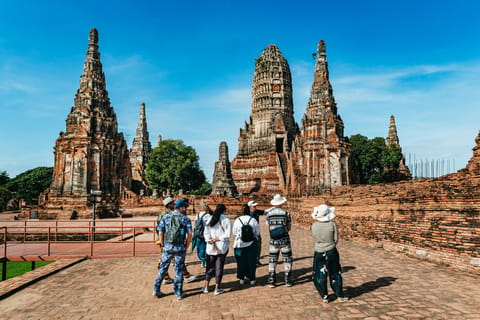
Wat Chaiwatthanaram
Landmark

Wat Mahathat
Landmark
Wat Phra Si Sanphet
Landmark
Wat Ratchaburana
Landmark
Wat Yai Chai Mongkhon
Landmark

Ayutthaya Historical Park
District
Bang Ian Old Town Riverside
District
Pratu Chai
District
U Thong Road Corridor
District
Wat Yai Chai Mongkhon Area
District
Your Guide to Ayutthaya
About Ayutthaya
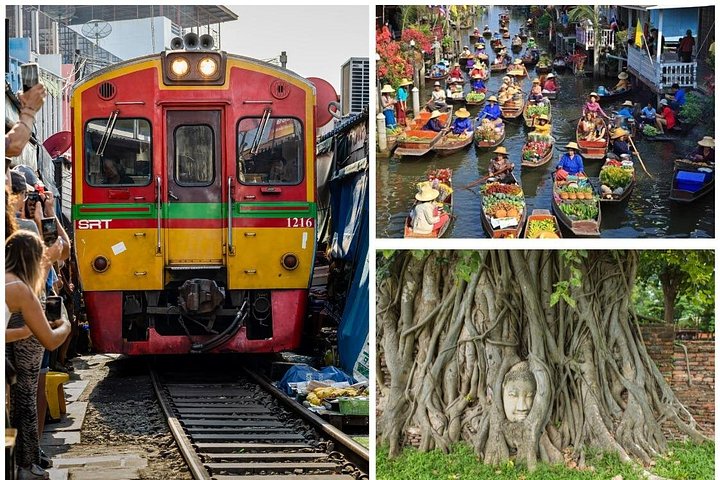
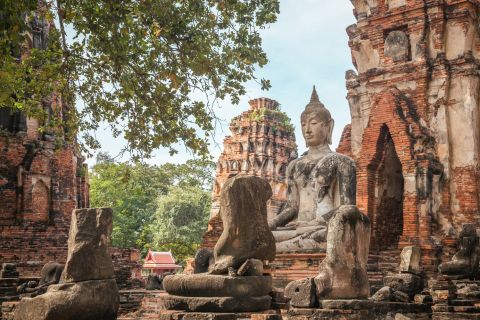
Ayutthaya wakes before the tuk-tuks do. The Chao Phraya exhales cool air against crumbling red bricks of Wat Phra Si Sanphet. Saffron robes slap stone, the only sound. This city never performs for cameras. These are the bones of what was once the world's largest city. Seventeenth-century Dutch traders walked these same narrow lanes between Wat Mahathat's head-in-the-roots Buddha and the glinting stupas of Wat Ratchaburana.
The archaeological park spreads across three islands. Real life happens at the edges. Muslim Quarter mornings on Rotchana Road serve roti for 12 baht (35¢), smelling of cardamom and diesel. Night market near Hua Ro sees locals queue for boat noodles at 20 baht (60¢) a bowl. Longtail boat launch at Pom Phet charges 300 baht ($8.50) for a river circuit past monasteries where monks feed catfish the size of children.
March to May brings brutal heat. Tour buses arrive in synchronized waves. Come at 6 AM instead. Mist rises off the ancient moat. Only photographers chase perfect shots of Buddha faces emerging from strangler fig roots. You'll understand why Thais whisper this broken capital's name.
Travel Tips
Transportation: Train from Bangkok's Hua Lamphong station costs 20 baht (60¢) for third class. Surprisingly comfortable with fans and open windows. Once in Ayutthaya, skip the 200 baht tuk-tuk tours circling the bus station. Rent a bicycle from Tony's opposite the station for 50 baht ($1.40) per day instead. Download the Grab app before arrival. Local drivers know shortcuts between temples tourists never find. River crossing from train station to historical island costs 5 baht (15¢) by ferry. Don't miss longtail boats at Pom Phet pier for 300 baht ($8.50). They show temples from water level, the way ancient traders first saw them.
Money: Bring cash. Most temples charge 50 baht ($1.40) entry. Wat Chaiwatthanaram now charges 220 baht ($6.20) for foreigners. Worth it for sunset photos. Budget accordingly. ATMs scatter around town but charge 220 baht ($6.20) per transaction. Withdraw at Bangkok's airport before boarding the train. Street food runs 25-45 baht (70¢-$1.30). Restaurant meals cost 80-120 baht ($2.25-$3.40). Night market near Hua Ro bridge is cash-only. 7-Eleven near train station breaks large bills. They sell SIM cards with 15GB data for 299 baht ($8.50).
Cultural Respect: Shoulders and knees covered at every temple. Security guards at Wat Mahathat will turn you away if you're wearing shorts. The reclining Buddha at Lokayasutharam isn't roped off. Locals still make offerings here. Remove shoes and step around, not over, the donation boxes. When photographing monks, ask first. Many speak English and will pose. Some follow stricter rules. Muslim Quarter near Rotchana Road serves halal food. Don't bring pork products into these restaurants. At sunset, climb Wat Chaiwatthanaram's stairs quietly. It's not a party spot. Locals use it for meditation.
Food Safety: Boat noodle stalls opposite Wat Phanan Choeng serve from 7 AM until they run out. Usually by 10 AM. Look for pots bubbling furiously. The heat kills everything. Ice is factory-made now. Avoid drinks with chipped ice from street carts. Night market near Hua Ro has the same vendors every evening. If locals are queuing, you're safe. Try roti sai mai at Rotchana Road's Muslim Quarter. Cotton candy wrapped in crepes. Made fresh. Sugar gets hot enough to sterilize. Bring Imodium just in case. Honestly, the 20 baht (60¢) boat noodles have fed generations of locals without incident.
When to Visit
November through February delivers the goods. Morning temperatures around 22°C (72°F) rising to manageable 29°C (84°F) by afternoon. Barely any rain. Bangkok weekenders flood in. Hotel prices jump 40-50%. Temple parking lots become tour bus jungles. The trade-off is worth it. Clear skies make Wat Chaiwatthanaram glow at sunset. You won't lose five pounds in sweat walking between ruins.
March to May turns brutal. 34-38°C (93-100°F) every day. Humidity thick enough to chew. Hotel prices drop 30-40%. You'll have temples to yourself after 10 AM. Tour groups retreat to air conditioning. The heat is honest though. It reveals why this ancient city was abandoned in the first place.
June through October brings monsoon. Afternoon thunderstorms cool things to 28-30°C (82-86°F). They flood the river island's lower paths. Wat Mahathat's head-in-roots Buddha gets mood lighting under storm clouds. The 300 baht ($8.50) longtail boats become essential transport. Not just sightseeing. Hotels slash rates by 50-60%. Some guesthouses close for renovations.
Loy Krathong in November transforms the Chao Phraya. Floating candles create a galaxy on water. Book accommodation months ahead. Prices triple. Songkran in mid-April brings water fights and temple blessings. Crowds make the historical park feel like Bangkok rush hour. Come in late January instead. Cool mornings. Fewer crowds. Winter light makes red brick ruins look like they're still on fire.
Frequently Asked Questions
How Long Should I Spend in Ayutthaya?
Most visitors allocate a full day for Ayutthaya's main temples, which gives enough time to see highlights like Wat Mahathat, Wat Phra Si Sanphet, and Wat Chaiwatthanaram without rushing. If you want to explore lesser-known ruins, cycle the island perimeter, or visit the night market, plan for two days. Day-trippers from Bangkok (90 minutes by train) can cover the essential sites, but you'll miss the atmospheric late-afternoon light on the ruins.
What's the Best Way to Get Around Ayutthaya's Temples?
Renting a bicycle (50-80 baht per day from guesthouses near the train station) is the most popular option, the Historical Park is compact and mostly flat, with temples 1-3 km apart. Tuk-tuks charge 200-300 baht per hour for temple circuits, useful in midday heat or if mobility is limited. Songthaews (shared trucks) run fixed routes for 10-20 baht but require local knowledge of stops.
Can I Visit Ayutthaya's Temples During Rain?
Yes, but conditions vary by season, brief afternoon showers during hot season (March-May) cool things down and pass quickly, while monsoon rains (July-October) can flood lower temple grounds and make cycling slippery. Wat Chaiwatthanaram and Wat Phra Ram are prone to muddy paths after heavy rain. Morning visits (7-10 AM) usually avoid the worst weather, and temples stay open unless flooding is severe.
Do I Need a Guide for Ayutthaya, or Can I Explore Independently?
Ayutthaya's temples are easy to navigate independently, most ruins have English signs with historical context, and bike rental shops provide basic maps. Licensed guides (available at major temples or booked through TAT office near Chao Sam Phraya Museum) cost 500-1,000 baht for half-day tours and add depth on Ayutthaya period politics and architecture. If you're interested in specific historical details beyond plaques, a guide is worthwhile; otherwise, independent exploration works fine.
What Should I Wear When Visiting Ayutthaya's Temples?
Cover shoulders and knees at active temples like Wat Phra Si Sanphet and Wat Ratchaburana, lightweight long pants or skirts and sleeved shirts work in the heat. Many ruins (like Wat Mahathat) are open-air archaeological sites without dress codes, but you'll still want sun protection. Bring a sarong or shawl to wrap up at temple entrances if needed. Some sites rent coverings for 20-40 baht deposit.
Where Should I Stay in Ayutthaya, on the Island or Off?
Staying on the island (the historical core encircled by rivers) puts you within cycling distance of major temples and near the night market on Uthong Road. The area near the train station has budget guesthouses (300-600 baht) and bike rentals. Across the river in the newer districts, you'll find midrange hotels with pools (1,200-2,500 baht) but less walkable access, you'll rely on tuk-tuks or hotel bikes.
Is Ayutthaya Too Touristy, or Does It Feel Authentic?
Ayutthaya sees far fewer crowds than Bangkok's Grand Palace, weekdays feel quiet, with locals outnumbering tourists at neighborhood temples like Wat Phanan Choeng. The main ruins (Wat Mahathat, Wat Chaiwatthanaram) get busier 10 AM-2 PM with tour groups. But arrive early or late afternoon and you'll often have complexes nearly to yourself. The town beyond the temples remains a working provincial city, not a tourism monoculture.
What's the Entry Fee Situation, one Ticket or Pay-per-temple?
There's no unified pass. Temples charge individually, typically 50 baht for major sites like Wat Mahathat, Wat Phra Si Sanphet, and Wat Ratchaburana. Budget 300-400 baht if visiting six main temples. Some ruins (Wat Phra Ram, parts of Wat Lokayasutharam) are free. The Chao Sam Phraya National Museum costs an additional 150 baht and holds Ayutthaya's finest Buddha images and gold artifacts.
When Is the Worst Time to Visit Ayutthaya Weather-wise?
April and early May hit 38-40°C with brutal midday sun, temple-hopping becomes exhausting without frequent shade breaks, and black prang (towers) radiate heat. December through February offers the most comfortable touring (26-32°C), though this is peak season with higher hotel rates. If visiting hot season, start at 7 AM, break 11 AM-3 PM, then resume late afternoon when light is better for photos anyway.
Are There Atms and Food Options Near the Temples?
7-Elevens and ATMs cluster near the train station and along Naresuan Road (the main island thoroughfare), but temple zones themselves have limited services. Carry cash for temple fees and snacks from occasional vendors selling coconut ice cream and drinks near popular ruins. For sit-down meals, head to the riverside restaurants along U Thong Road or the Chao Phrom Market area, don't expect much within the temple grounds.
Can I See Ayutthaya Illuminated at Night?
Wat Chaiwatthanaram lights up nightly until 9 PM (entry 50 baht after 6 PM) and looks spectacular reflected in the adjacent pond, this is Ayutthaya's best night visit. Wat Mahathat and Wat Phra Si Sanphet close at 6 PM and aren't lit. Some visitors cycle past temples after dark for exterior views. But paths lack lighting and can feel isolated. Stick to well-traveled roads if exploring after sunset.
Is It Safe to Rent a Scooter in Ayutthaya If I'm Not Experienced?
Traffic on the island is lighter than Bangkok, but Ayutthaya's roads have uneven surfaces, loose gravel near temples, and occasional aggressive drivers on main routes like Rojana Road. If you're comfortable on a scooter elsewhere in Thailand, it's manageable (rentals 200-300 baht/day). First-timers should stick to bicycles, the island is small enough that cycling covers all major sites, and you avoid dealing with Thai traffic patterns while jet-lagged.
More Ways to Experience Ayutthaya
Tours, day trips, and local experiences curated by on-the-ground operators.
Didn't see anything interesting yet?
Browse Viator's full catalog of tours, day trips, food experiences, and private guides in Ayutthaya.
See All Ayutthaya Tours on Viator